I am happy to share that my latest research publication (and the fourth paper of my thesis) is now available online. The title of the paper is “A Case Study of a Code Club’s Inclusion Policy and How It Is Implemented Online and in the Classroom”. The study examines how Kodcentrum’s practitioners/teachers work with inclusive practices online and in the classroom. Unfortunately, the paper is not open-access, so if you wish to get a copy, feel free to email me or contact me on ResearchGate. Here’s the abstract:
This paper investigates the implementation of an inclusion policy within both the online and code club classroom settings at Kodcentrum (Code Centre), a non-profit organization located in Sweden. The primary objectives of this study encompass the identification of key focus areas outlined in Kodcentrum’s inclusion policy and the description of how these specific focus areas are translated into practice within Kodcentrum’s digital platforms and code club classroom environment. To accomplish these research aims, a two-pronged approach was employed. Firstly, a content analysis of Kodcentrum’s inclusion policy was conducted, revealing four primary areas of inclusion: 1) broadening participation and equal opportunity, 2) digital competence, 3) inclusive teaching, and 4) representation and diversity. Subsequently, an analysis of Kodcentrum’s online platforms and interviews with practitioners were undertaken to illuminate the practical implementation of these four identified focus areas. The findings not only shed light on the strategies employed by Kodcentrum to address inclusive practices online and in the code club classroom but also underscore some inherent challenges associated with each area. The paper ends with a discussion of the broader implications of these findings beyond the specific case of Kodcentrum, providing a basis for future research in the field of inclusive non-formal computing education.
The paper was presented on Kos Island at the IEEE Global Engineering Education Conference, commonly known as EDUCON. This was my first experience attending the conference, and I was pleasantly surprised by the warm and welcoming atmosphere. While there are always areas for improvement at any event (e.g., reduce the queues, please), what stood out to me most was the emphasis on connection and collaboration among researchers. The organizers truly fostered an environment where sharing ideas and networking were prioritized.
I was fortunate to be scheduled for the first presentation slot on the opening day. Presenting early has its advantages; it allowed me to focus on my talk without the lingering anxiety of waiting, enabling me to relax and absorb the inspiring work of others throughout the day. Below is a photo of me during my presentation. I felt it went exceptionally well (but then again, I enjoy presenting to others)—I managed to stay on time and engaged with the audience, receiving some insightful questions afterwards. One of the highlights of my presentation was connecting with fellow researchers in my field after my presentation and getting compliments from the lovely Joelyn de Lima.

One of the most enriching aspects of attending conferences is the opportunity to connect with fellow researchers. EDUCON this year proved to be an exceptional experience in this regard. The atmosphere was conducive to forging new connections, and I found myself engaging with colleagues in ways I hadn’t before. Initially, I was worried about feeling lonely since I was going to the conference alone, but doing things alone is sometimes the most rewarding. Being alone made me open to interaction. I found myself striking up conversations in unexpected places, like the hotel reception. These chance encounters led to meaningful connections with fascinating researchers from diverse backgrounds. The conference challenged my preconceptions about the research community. I discovered a warmth that I hadn’t anticipated, forming friendships that I hope will endure beyond the conference halls.
While I’m eager to see where these new connections might lead in the future, my immediate focus remains on completing my thesis. With four papers already under my belt, I’m keeping my fingers crossed for the acceptance of my fifth and final paper. EDUCON has not only contributed to my academic growth but has also expanded my professional network in ways I couldn’t have imagined. It’s a testament to the power of scientific gatherings in fostering both intellectual and personal development within the research community.
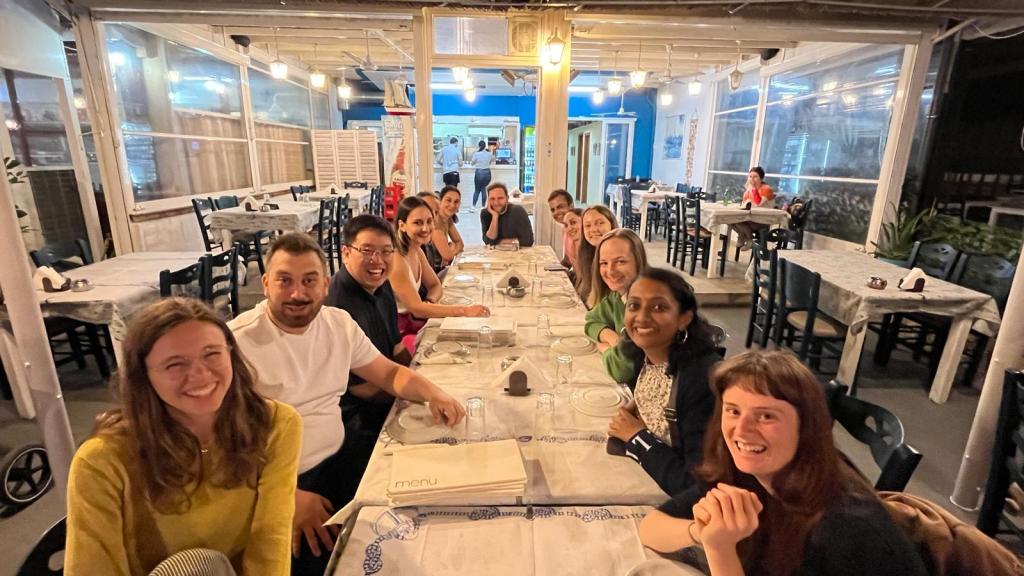
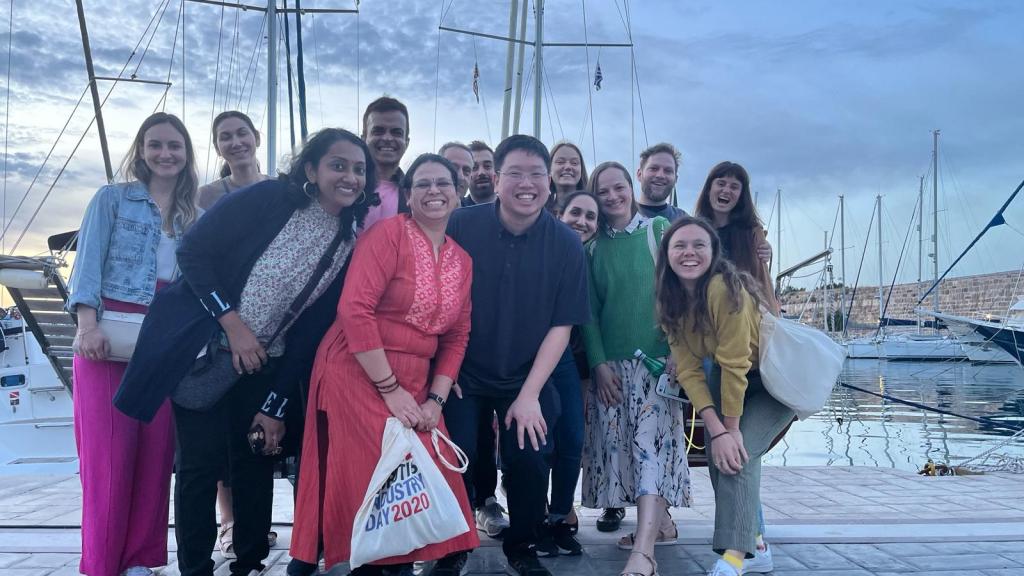
Below are some pictures of our lovely little group. I think they conveyed nicely the time we spent together 🙂



 Tina Vrieler
Leave a comment